Peripheral vascular disease (PVD)—often used interchangeably with peripheral artery disease (PAD)—is a common circulatory condition that affects millions of adults, particularly as they age. Yet despite how common it is, many people don’t recognize the early warning signs until symptoms become severe.
Understanding what to look for is key. Early detection not only helps protect your mobility, but it can also reduce your risk of serious complications, including limb loss. Here’s a clear overview of the most common signs and symptoms of peripheral vascular disease—and when to seek medical care.
What Is Peripheral Vascular Disease?
PVD occurs when blood vessels outside the heart and brain become narrowed or blocked. Most commonly, plaque buildup inside the arteries restricts blood flow to the legs and feet. When tissues don’t get enough oxygen-rich blood, symptoms of peripheral vascular disease begin to appear—especially during physical activity.
Common Signs and Symptoms of Peripheral Vascular Disease
1. Leg Pain When Walking (Claudication)
One of the hallmark symptoms of peripheral vascular disease is leg pain that comes on with activity and improves with rest. This may feel like:
- Cramping
- Tightness
- Aching or fatigue
Claudication typically affects the calves but can also occur in the thighs or buttocks, depending on where the blockage is.
2. Numbness, Weakness, or Heaviness in the Legs
Reduced blood flow can cause legs to feel unusually weak or “heavy.” Some patients describe the sensation as feeling like they’re dragging their feet or becoming tired much faster than they used to.
3. Coldness in One Lower Leg or Foot
If one leg or foot consistently feels colder than the other, this can indicate poor circulation—especially when the temperature difference is noticeable to the touch.
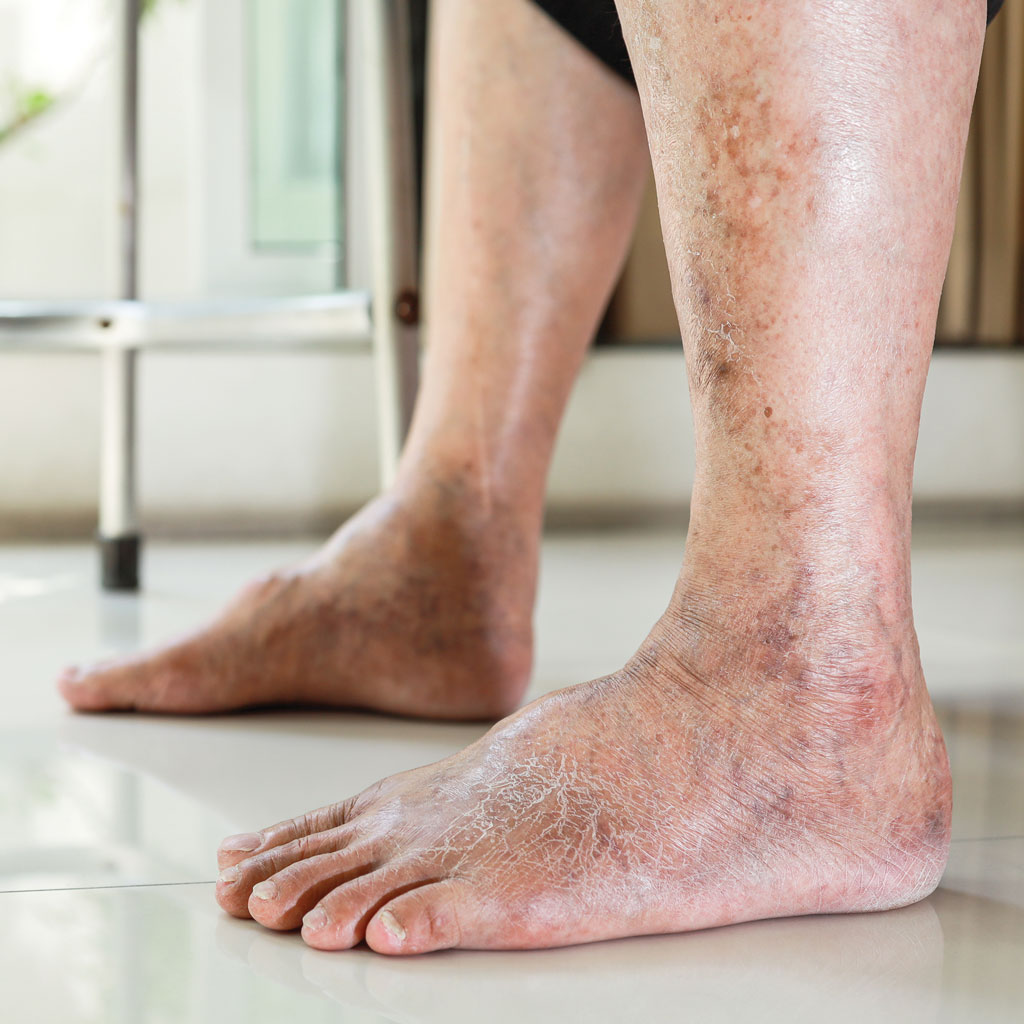
4. Changes in Skin Color or Texture
PVD can change the appearance of the skin on the legs and feet. Look for:
- Pale or bluish skin
- Shiny, tight, or thin-looking skin
- Reduced hair growth
- Brittle or slowed toenail growth
These changes often go unnoticed at first but can be an early sign of worsening circulation.
5. Slow-Healing or Non-Healing Wounds
Cuts, sores, or ulcers on the legs or feet that heal slowly—or not at all—are a major red flag. Poor blood flow prevents tissue from repairing itself properly, increasing the risk of infection.
This is especially dangerous for individuals with diabetes.
6. Weak or Absent Pulses in the Legs and Feet
Medical providers often check for pulses in the groin, behind the knee, and near the ankle. A weak or absent pulse is typically associated with significant arterial narrowing.
7. Pain at Rest or When Elevating the Legs
Advanced PVD can cause pain even when you are not moving. Pain that worsens when the legs are elevated and improves when they hang down is a sign of critical limb ischemia and requires urgent care.
8. Erectile Dysfunction in Men
For men, reduced blood flow to the pelvic area can contribute to erectile dysfunction. When it occurs alongside leg symptoms, it may be related to PVD rather than a stand-alone issue.
Who Is Most at Risk?
Your risk increases if you have any of the following:
- Smoker (current or past)
- Diabetes
- High blood pressure or high cholesterol
- Obesity or sedentary lifestyle
- Family history of vascular disease
- Age 60+
Even one risk factor can significantly raise your chances of developing PVD.
When to Seek Medical Attention
If you notice any of the symptoms of peripheral vascular disease above—especially leg pain with walking, changes in skin appearance, or slow-healing wounds—it’s important to schedule a vascular evaluation. PVD is highly treatable, especially when caught early.
Treatments can include lifestyle changes, medications, minimally invasive vein procedures to restore blood flow, or advanced wound care when needed.
The Bottom Line
Peripheral vascular disease often develops silently, but the signs are there if you know what to watch for. Paying attention to symptoms like leg pain, skin changes, numbness, and slow-healing wounds can help you get care sooner and protect your long-term health and mobility.
If you notice any of the symptoms of peripheral vascular disease listed, talk to your physician about minimally invasive treatment options. You can also read more about PVD here.