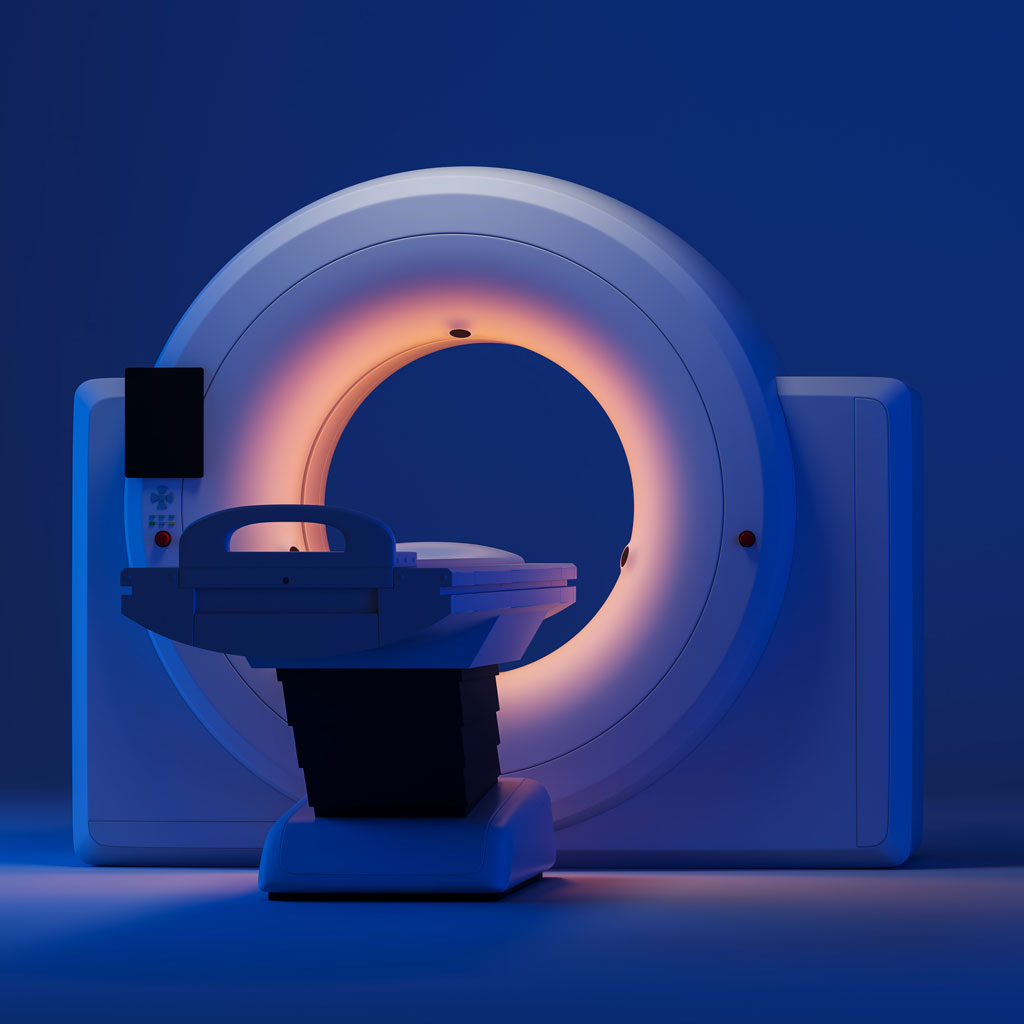
What are the different types of MRI machines?
If your doctor has ordered you an MRI, you might be surprised to learn that not all MRI machines are the same. The type of MRI machine used for you can affect your comfort, experience, and the types of images your care team receives. From traditional closed MRIs to more open designs and newer high-speed scanners, different types of MRI machines are built for different needs, bodies, and medical situations. Understanding the different types of MRI machines can help you feel more prepared, ask informed questions, and advocate for options that work best for you, whether that’s managing claustrophobia, accommodating limited mobility, or ensuring the clearest possible results.
Closed Bore MRI (traditional “donut” design)
- This is the most common type of MRI machine and the one many people picture first.
- They’re fully enclosed tubes, which allows them to produce exceptionally clear, detailed images.
- Because of their image quality, they are used for a wide range of exams and diagnoses.
- The enclosed space can be claustrophobic for some patients, so many centers offer comfort aids like music, mirrors, and even light sedation if needed.
Wide-bore MRI
- A wide-bore MRI looks similar to a traditional machine but has a larger opening and more room inside.
- The extra space can have a big impact on comfort, especially for people who feel anxious in enclosed spaces or have a larger body frame.
- Their image quality remains clear and detailed, often making them an ideal compromise between comfort and clarity.
Open MRI
- Open MRI machines are designed with open sides or a more open structure, rather than a fully enclosed tube.
- They can be desirable for people with claustrophobia, chronic pain, or mobility challenges.
- While they’re often more comfortable, the image detail they produce may be lower than with closed or wide bore machines, so they aren’t appropriate for all exams.
Upright (Standing or Sitting) MRI
- Upright MRIs allow for scans while you’re sitting or standing, rather than lying down.
- They’re especially useful for imaging the spine or joints under normal weight-bearing conditions.
- They’re not as widely available as other MRI machines, but they can provide information that lying-down scans may not capture, and are thus ideal for specific exams.
What are the different types of MRI strength?
MRI Strength (1.5T vs. 3T)
- MRI strength is measured in tesla (T), which refers to the strength of the magnetic field.
- 1.5T machines are the standard and are suitable for most routine imaging needs.
- 3T machines provide finer detail and can be helpful for more complex or subtle findings.
- Higher-strength machines are often more enclosed, which is something to consider if comfort is a major concern.
Ultimately, the “best” MRI machine depends on both the exam being performed and the person being scanned. There is no perfect, one-size-fits-all. Some conditions require the higher detail offered by a specific magnet strength or machine type, while others allow for more flexibility and comfort-focused options. Availability can also vary by imaging center, so it’s not always possible to choose freely, but knowing the differences can help you understand why a particular machine is recommended. If you have concerns about comfort, anxiety, mobility, or prior imaging experiences, sharing that information with your provider ahead of time can help ensure the scan is both effective and as comfortable as possible.